MULTIFAMILYTop Security
Home Services Emergency Response
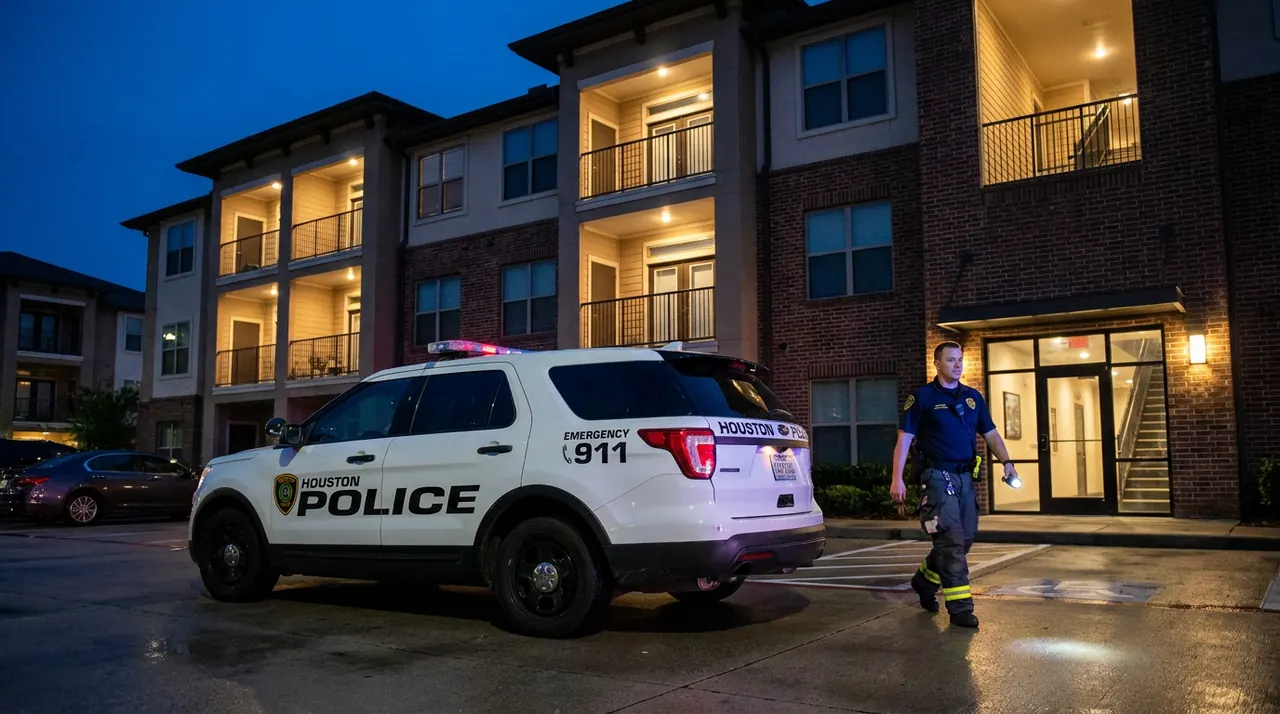
Security response vehicle responding to an apartment community in Houston with strobes activated at night
24/7 Live Dispatch · Service

Emergency Response.

A real human on the dispatch line in under 60 seconds. A vehicle moving toward your property within seconds of the call. Multifamily-only response for apartment communities, condominiums, and townhomes — not generic alarm-company dispatch.

For threat-to-life situations: call 911 first. We are not a 911 substitute.

<60s
Live human answer
<15m
Vehicle on-site (typical)
24/7
Year-round · no exceptions
217
Communities under coverage
Overview

The window between "something is happening" and "help is on the ground" is where damage compounds.

The Houston Police Department is one of the largest municipal forces in the country and they do an extraordinary amount of work with finite resources. They are also, on most nights, dispatched against a backlog of priority calls. When the resident at unit 312 calls 911 to report a stranger trying to break in, HPD will arrive — eventually. The honest math is that an apartment-community priority-2 call in Houston typically gets a unit on scene somewhere in the 20-to-45-minute range. That window is exactly when the incident escalates from "attempted" to "completed." It’s when the door is forced. It’s when the suspect leaves. It’s when the resident’s call to the property manager goes to voicemail.

Emergency response from a contracted multifamily-only security firm doesn’t replace HPD — it complements them. Our dispatch line is answered by a real human in under 60 seconds, 24/7. The responding officer is moving toward your property within seconds of the call. For properties already on a patrol contract, the officer is already on-site; the response is immediate. For response-only contracts, our metro dispatch vehicles typically arrive in under 15 minutes. That puts a uniformed, body-cam-equipped, licensed witness on scene before HPD does — managing the situation, calling 911 with credible witness information, securing the scene for HPD’s arrival.

That intervention changes outcomes. The would-be intruder leaves at the sight of the vehicle. The domestic spillover gets de-escalated in the parking lot rather than fully spilling into the breezeway. The injured resident gets first aid before EMS arrives. The neighbors stop filming because someone in uniform is now handling it. By the time HPD shows up, the situation is contained, the scene is secured, and the officer has a clean handoff with timeline, witnesses, and body-cam evidence. That’s emergency response done right — and it only works if the team you call has been doing this at apartment communities, every shift, for a long time.
What’s Included

A complete response stack.

Dispatch, vehicle, officer, body cam, scene management, HPD handoff, post-incident report — one bundled service, not five different sub-vendors.

24/7 live-human dispatch.
Real person answering in under 60 seconds. No phone tree. No voicemail. No "press 9 for emergency."
Marked response vehicle.
Strobes, decals, visible authority. Most incidents end the moment the vehicle pulls onto your property.
Licensed officer on every dispatch.
TX DPS PSB licensed, body camera, first-aid trained. Level II default; Level III armed dispatched in parallel for high-risk calls.
Pre-loaded property profile.
Gate codes, manager contact, building layout, known problem persons, prior incident map. Officer arrives informed.
Scene management & containment.
Witness identification, evidence preservation, onlooker management. The scene HPD walks into is the scene we built.
HPD & EMS handoff.
Coordinated handoff with first responders, witness debrief, body-cam evidence shared on request. The follow-up paperwork is real.
First-aid capable.
Bleeding-control kits, CPR/AED training. Stabilize until EMS arrives — not a substitute for them.
Post-incident report — same day.
Written report to property manager within 24 hours of every dispatch. Pattern tracking across the year.
How It Works

The minute the call is made.

00:00

Call Received

Real human on the line in under 60 seconds. Property identified by phone. Officer alerted in parallel.

00:01

Vehicle Rolling

Nearest unit dispatched immediately. Dispatcher gathers details from caller in parallel while vehicle is moving.

~15m

On Scene

Officer arrives, body-cam recording, scene assessed. 911 called if not already. Witness contact established.

+24h

Report Filed

Written report to property manager, body-cam clip archived, HPD report number paired if applicable.

Pricing Model

How emergency-response pricing actually works.

Emergency response is typically priced as a monthly retainer, not per-call. The retainer covers unlimited dispatches for genuine emergencies — we don’t want pricing pressure causing the property manager to hesitate before calling. The retainer also includes the 24/7 dispatch line, the pre-loaded property profile, and the post-incident reporting.

What shifts the rate: whether you also contract patrol (bundled rate is significantly lower because the vehicle is often already there), expected dispatch frequency based on your property’s incident history (we don’t penalize for past calls; we plan capacity around them), and whether you need Level III armed on standing dispatch readiness (most don’t, but high-risk properties do). Per-incident pricing is available for properties that prefer it — though most owners find the retainer model creates better outcomes because nobody hesitates to call.

Every assessment is free. Quotes are property-specific. We’ll match capacity to your actual risk profile — not the bottom-of-market rate that leads to slow arrivals.

Why Multifamily-Only Matters

Generic response firms get lost in your community.

A response officer arriving at a strip mall finds it in one minute. The address is the address. A response officer arriving at "the apartment at 5328 Main Street, building 4, unit 312" can lose ten minutes inside the property. Which gate? Which side of the property is building 4? Where is the visitor parking? Where is the back stairwell? Generic responders waste those ten minutes because they don’t know your specific layout. By the time they reach the actual incident, it’s over.

Our officers know our properties. The pre-loaded property profile includes gate codes, the manager’s direct cell, the building-numbering convention (which is never standard across communities), and the fastest internal route from the front gate to every unit. When an officer is dispatched to your community, they’ve usually been to it before — or they have a map and a briefing on the way. Ten minutes saved at arrival is the entire difference between intervention and aftermath.

There’s also the relational layer. Our dispatcher has spoken to your property manager dozens of times over the past year. The dispatcher knows the manager’s voice, the property’s recurring issues, and the names of the known problem persons on the trespass list. A generic alarm-company dispatcher answering for fifty different property types treats your call like a ticket. We treat it like a relationship — because that’s exactly what multifamily security is.

Common Questions

Emergency response — the real questions.

Are you a 911 replacement?

No. For threat-to-life situations always call 911 first. We are a complement — for property-side response, witness presence, scene management, and the layered actions HPD can’t always provide in the minutes before they arrive. Most of our contracted properties have both numbers in their resident materials and on amenity-area signage.

How fast is your typical arrival?

For properties with a patrol vehicle already on-site (under patrol contract), the response is immediate — the officer is already there. For response-only contracts in the Houston metro, typical arrival is under 15 minutes. We position dispatch vehicles geographically to serve our client cluster, which is why our Houston-area arrival times are consistently faster than national response firms working from a single distant hub.

What counts as an emergency dispatch?

Active trespasser, domestic in progress, suspicious-person at amenity, alarm sounding, resident locked out late-night with no on-call answer, gate broken with vehicles backing up, motion alert from CCTV monitoring, witnessed crime in progress. We respond first and triage on arrival — we don’t filter the dispatch over the phone.

Can residents call directly?

Yes — and they should, once your property is under contract. The dispatch number goes in the move-in packet, on the leasing office door, and on amenity-area signage. A real human answers in under 60 seconds, 24/7. Resident-initiated calls have proven to dramatically shorten the time-to-response window, because residents see the incident long before the property manager does.

Are emergency response officers armed?

Both Level II (unarmed) and Level III (armed) are available. Most dispatches are handled by the on-shift Level II officer; armed backup is dispatched simultaneously for high-risk calls (active weapon reported, domestic with reported violence, prior threat history at the property). Properties can also pre-set risk-tier rules so certain caller scenarios automatically pull armed dispatch.

Do you handle medical emergencies?

We render basic first aid and stabilize while EMS responds — most of our officers carry HEMS-aligned bleeding-control kits and are trained on CPR/AED. For any medical event we call 911 first. We are a security service, not EMS — but the gap between collapse and ambulance arrival is exactly the gap we’re built to fill.

Related Services

Most response programs anchor to one of these.

Ready to set up coverage?

When the call comes at 2am, the next minute matters.

Free assessment, retainer-priced response, multifamily-only coverage. We’ll quote against your actual incident history — not a guess.